· Delivery dates are constantly delayed with no clear updates.
· High communication costs; requirements get distorted through multiple channels.
· Your project gets deprioritized when the factory is busy.
Our Approach:
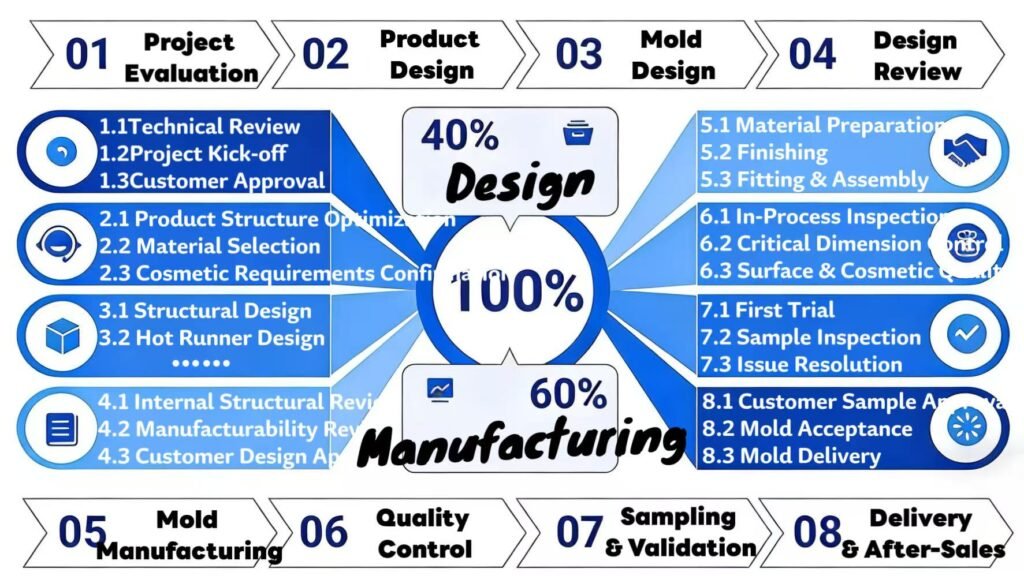
We have established a full-cycle closed-loop management system covering project kick-off → design review → machining scheduling → assembly & molding trial → inspection & delivery.
· Dedicated Project Manager: Each project is assigned a single point of contact, eliminating information gaps and ensuring clear communication.
· Milestone Sign-Offs: Key milestones (design freeze, trial date, shipment) are confirmed by both parties to prevent future disputes.
· Risk Early Warning: Proactive alerts are issued at least 48 hours in advance for any issues such as machining anomalies or equipment conflicts, along with proposed solutions.
Transparent Scheduling: Clients can track their mold’s current status and estimated completion time online without needing to call or chase for updates.
Client Value:
Your project stays on track; your delivery date is reliable. You hand over the requirements; we hand back certainty.
Mold Flow Analysis Control
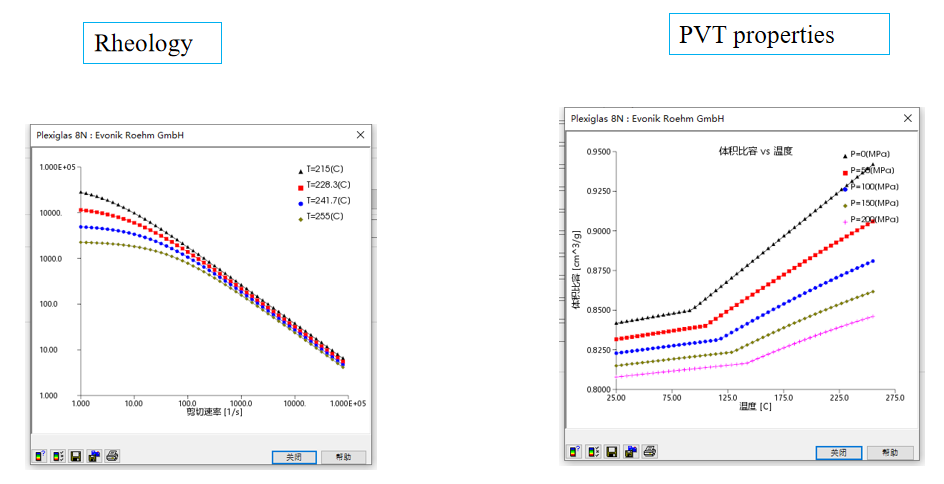
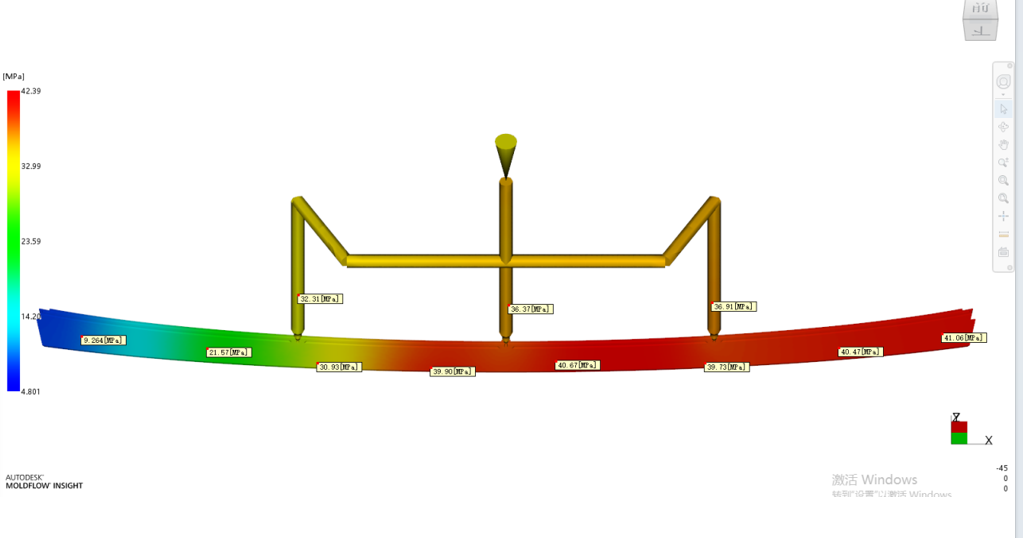
Perform mold flow analysis (Moldflow/Moldex3D) during the mold design phase to predict filling, packing, cooling, and warpage behavior. Key evaluations include weld line position, gas trap risk, clamping force, and fiber orientation. Compare simulation results with actual trial samples to build a closed‑loop “simulation vs. measurement” validation library. Ensure the first T0 trial hits critical process parameters, reducing mold rework and trial costs.
Mold Design Control
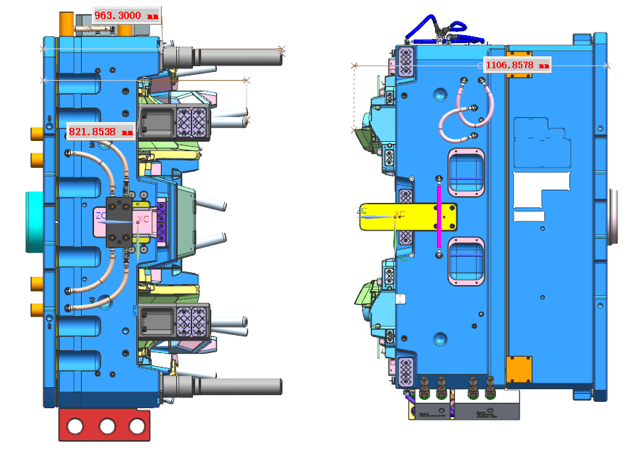
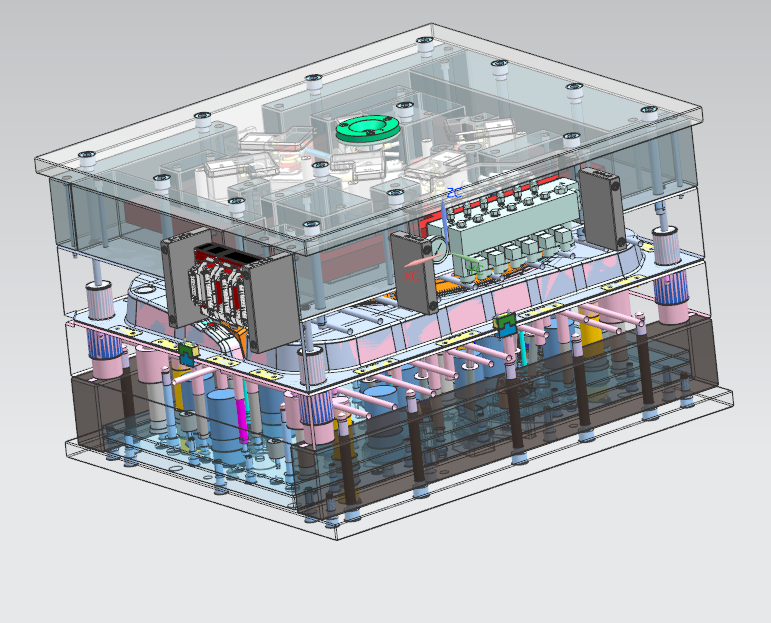
Conduct fully parametric modeling based on a unified 3D platform (UG/NX, Creo, SolidWorks, etc.) with a top‑down assembly structure. Implement design review checkpoints: parting line rationality, runner system layout, ejection balance, cooling channel clearance, interference checks, and tolerance accumulation analysis. All design changes must follow an electronic workflow, retaining version history and automatically notifying downstream machining and programming departments. Support automatic BOM generation and library calls for electrodes and standard components, ensuring unique design data and reducing rework/delays caused by modeling errors.
Teel Material Control
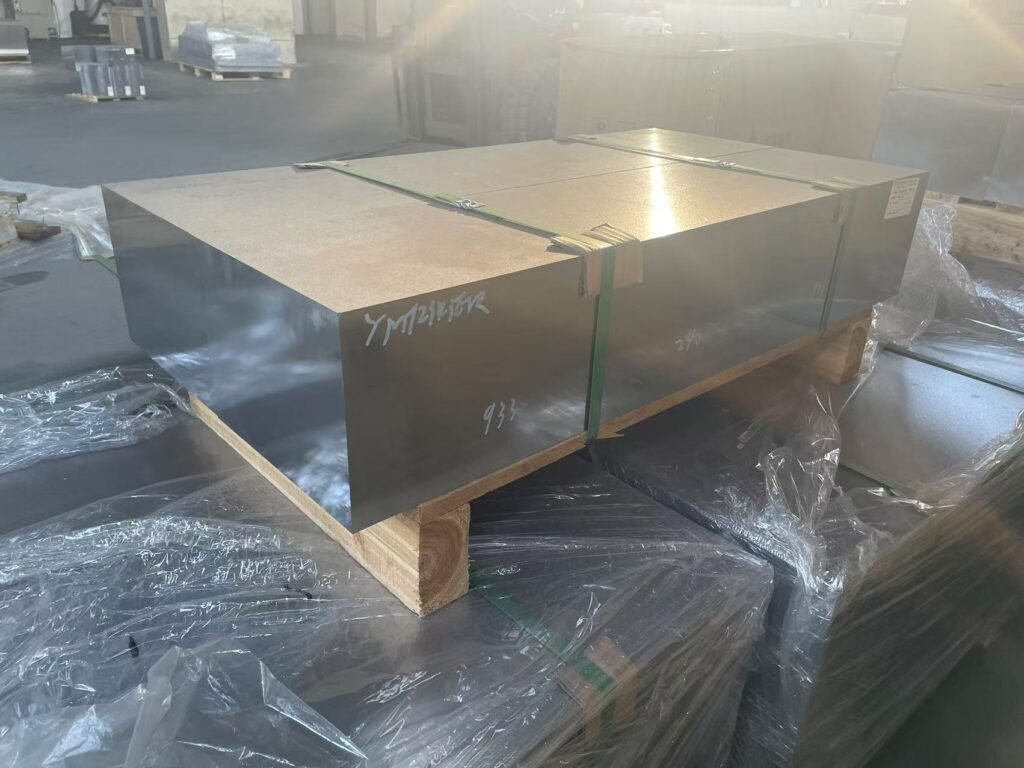
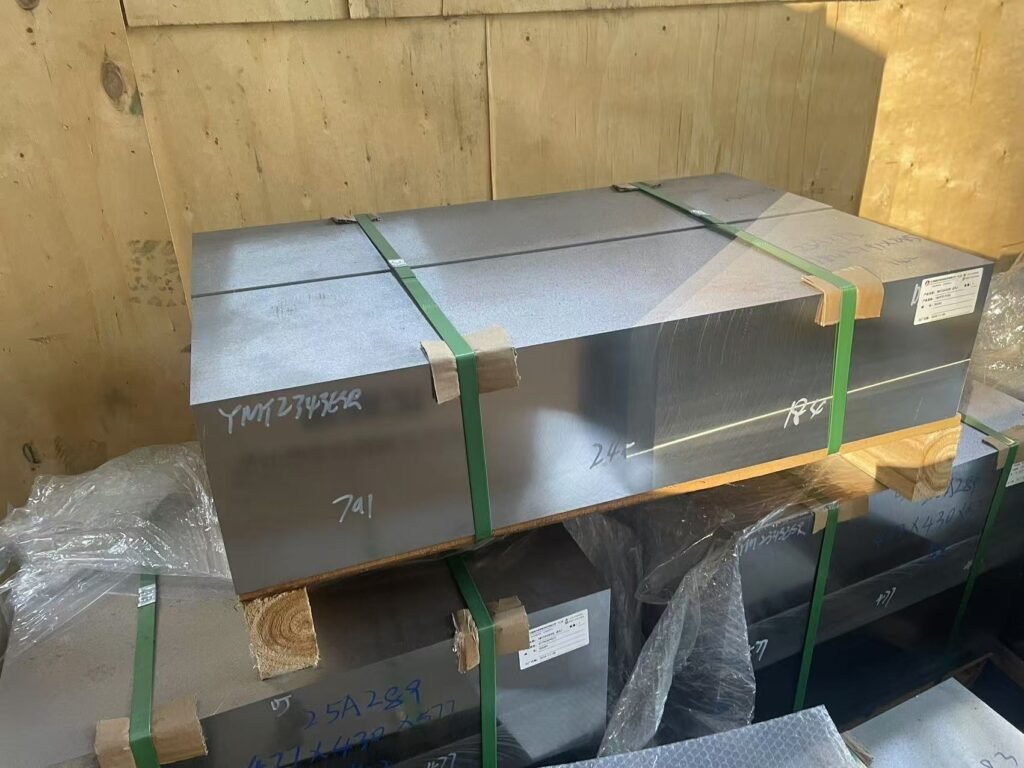
Material Traceability – Every Steel Block Gets a Unique ID Build a steel archive from incoming inspection to processing. Record material certificates, heat treatment parameters, hardness test values, and usage traceability. Prevent substitution or mixing of grades, ensuring that core components like mold plates and inserts meet design life requirements.
Mold Manufacturing Floor Control
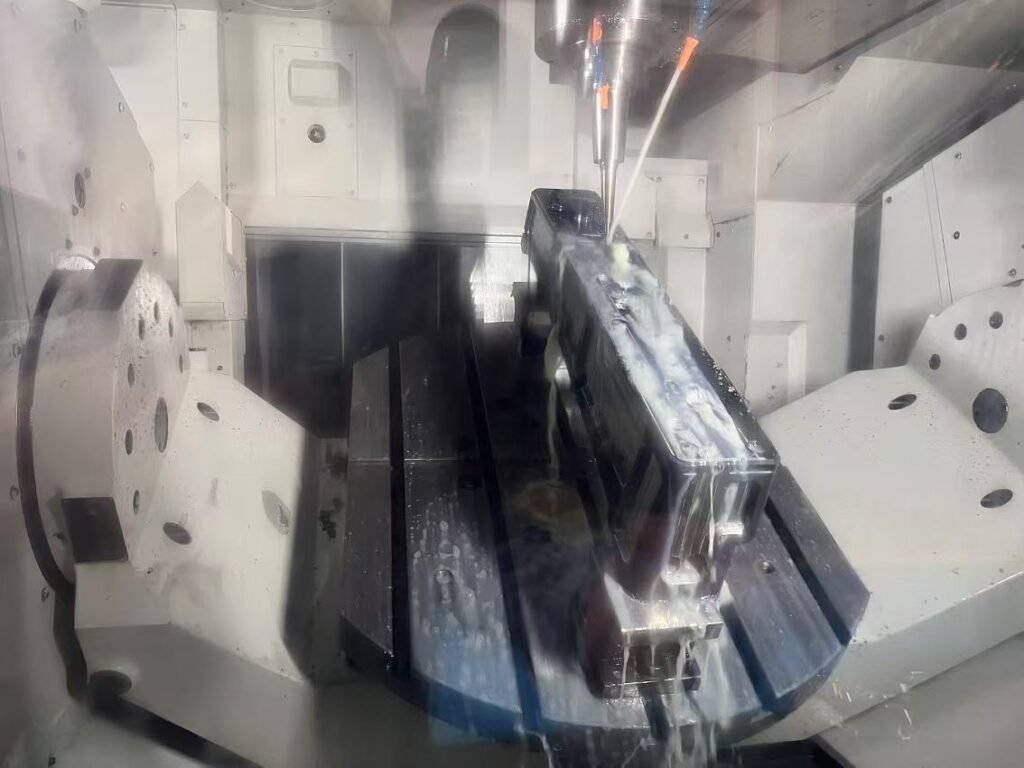
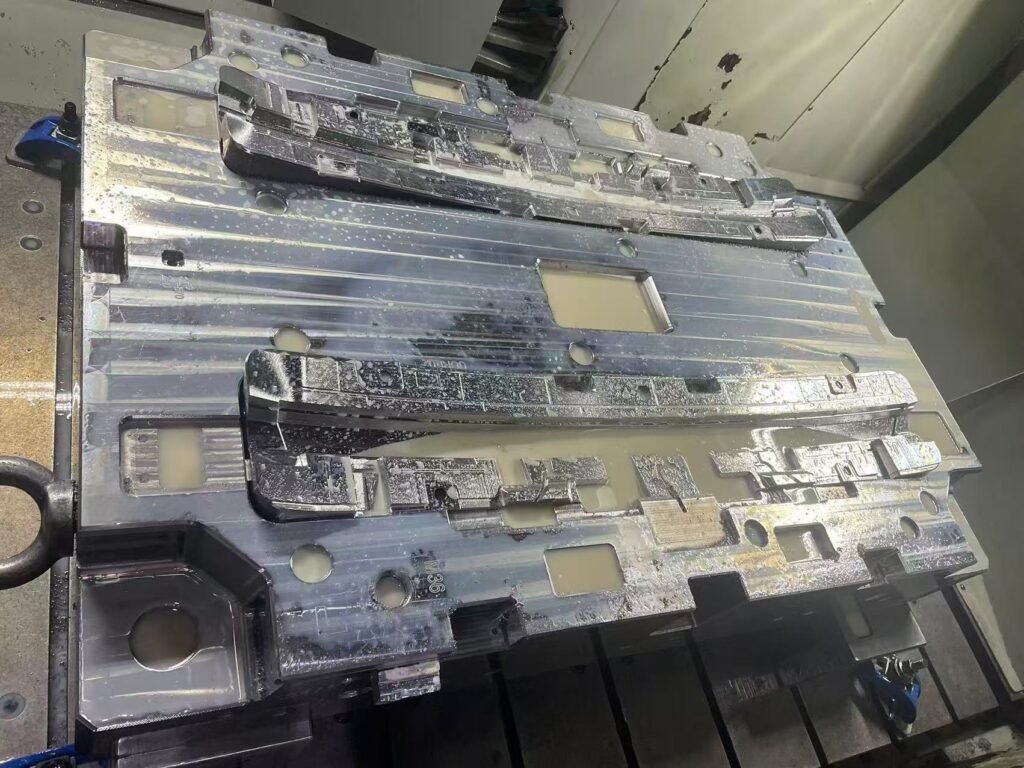
Assign electronic work orders and track real‑time progress for key processes (CNC, EDM, wire EDM, mold assembly). Operators report completion via shop‑floor terminals or mobile PDAs, automatically recording each part’s start/end time, machine utilization, and operator name. Establish a rapid response mechanism for on‑site issues (e.g., dimension deviation, toolpath collision risk) – problem tickets are automatically routed to process and programming engineers. Support machining progress dashboards and part‑kitting checks, ensuring mold bases, inserts, sliders, ejector pins, etc., are completed simultaneously, eliminating waiting for materials or assembly backlogs.
Trial Molding Floor Control
Standardized Trial Process – Quickly Lock in the Optimal Process Window
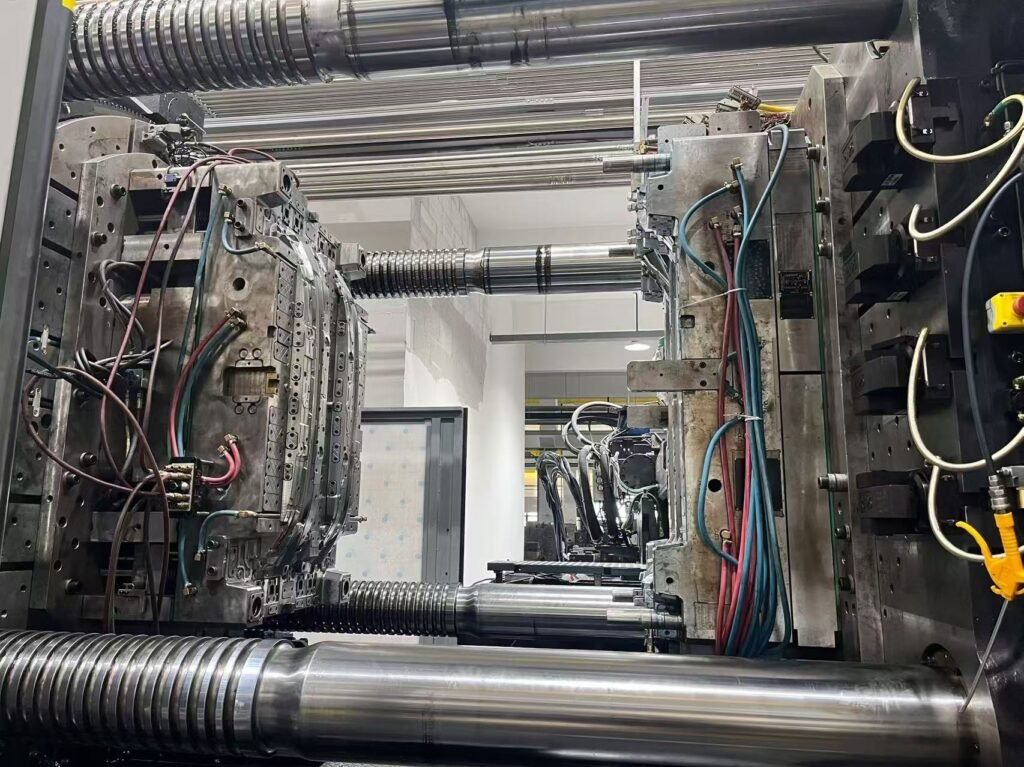
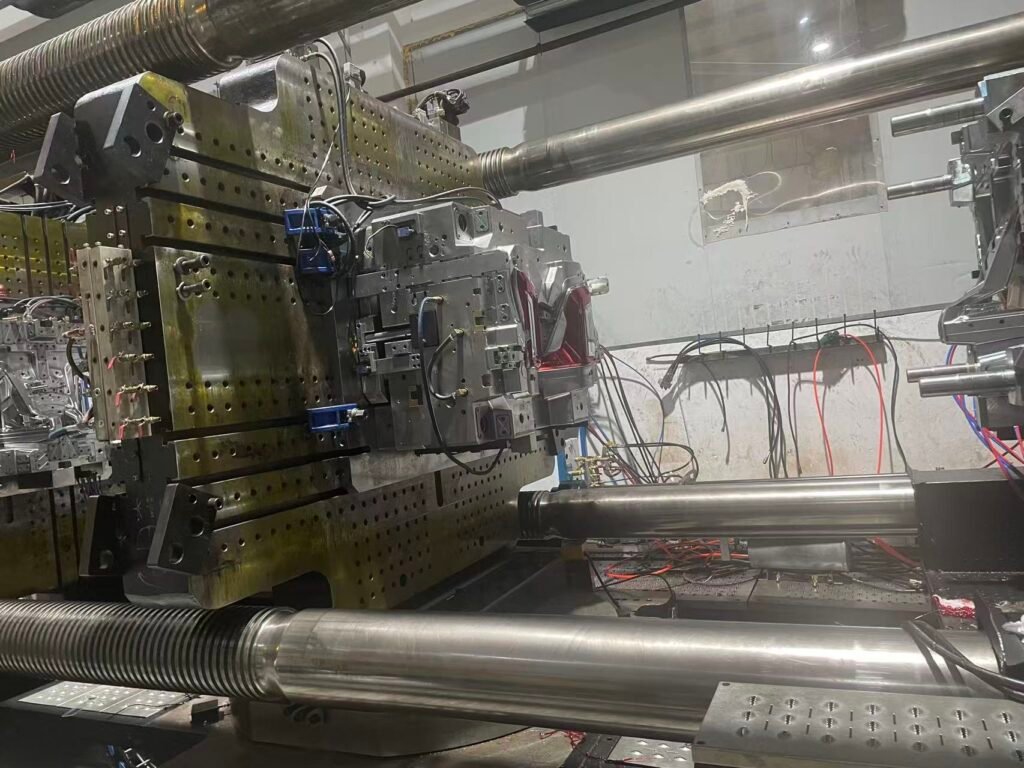
Develop trial molding work instructions, covering pre‑inspection (water lines, ejection, lifting safety), parameter recording sheets, and sampling specifications. On site, use mobile devices to record key data: melt temperature, mold temperature, injection pressure, speed, pack/hold switch point, V/P position, etc. Automatically generate trial reports linked to defect photos and corrective actions. Build a trial history database to support comparative analysis across multiple trials for the same mold, quickly locking in the optimal process window and reducing trial cycles and material waste.
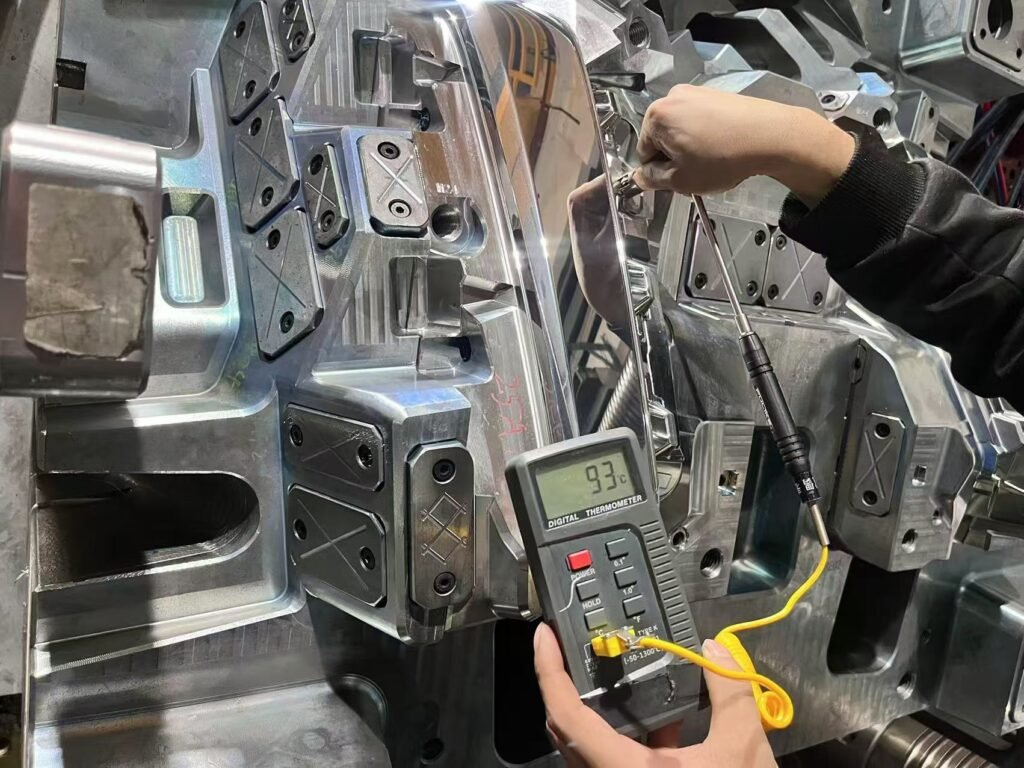
Mold Temperature Control
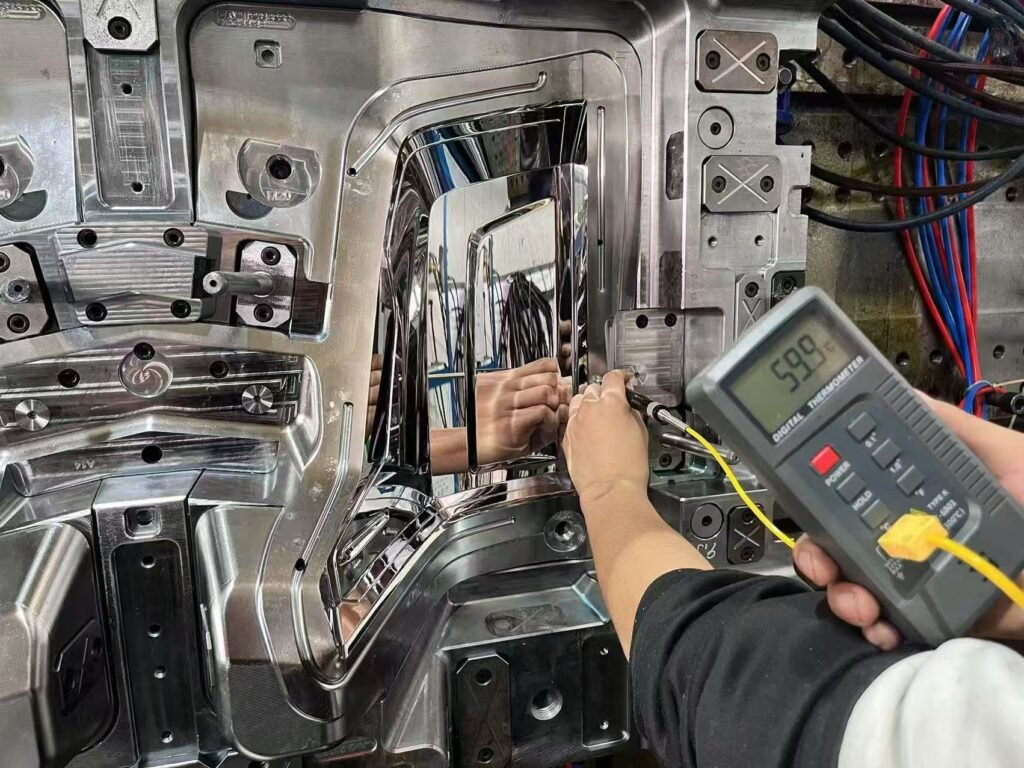
Real‑Time Thermal Field Monitoring – Eliminate Hot/Cold Spots Place sensors on moving half, fixed half, and critical inserts to collect real‑time mold surface temperature distribution. Set deviation thresholds – any anomaly (local under‑/over‑heating) triggers an alarm and links to cooling channel flow adjustment. Guarantee thermal balance, reducing sink marks and warpage caused by temperature fluctuation.
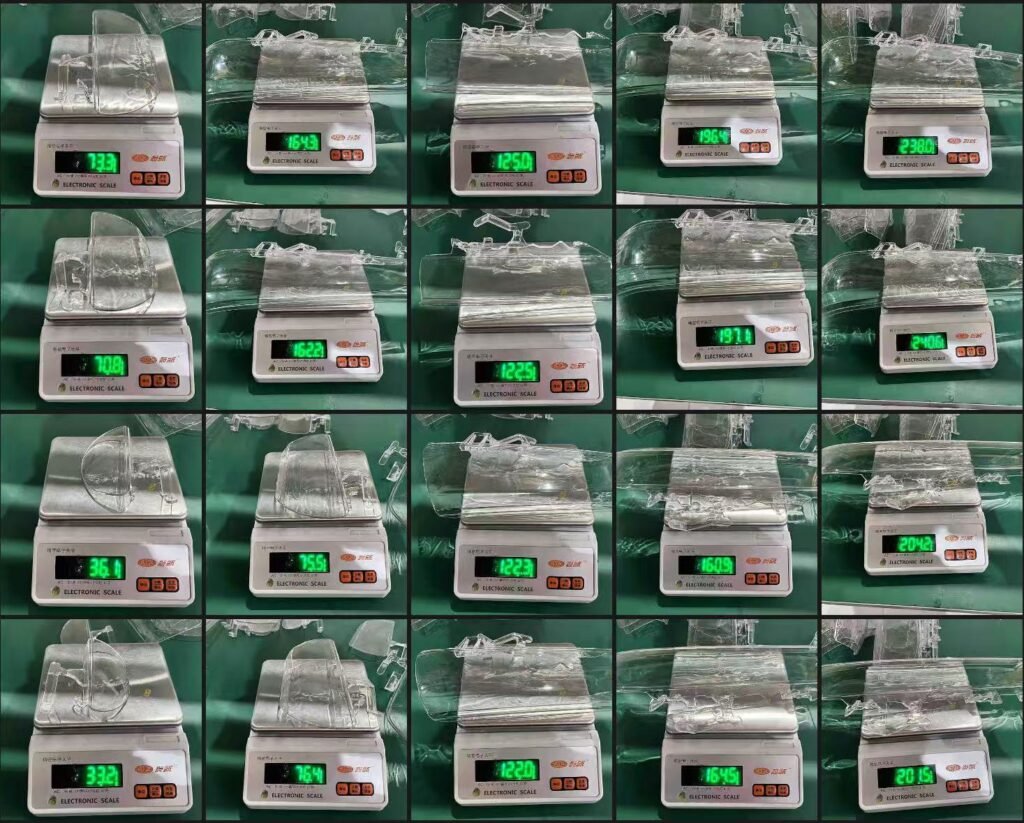
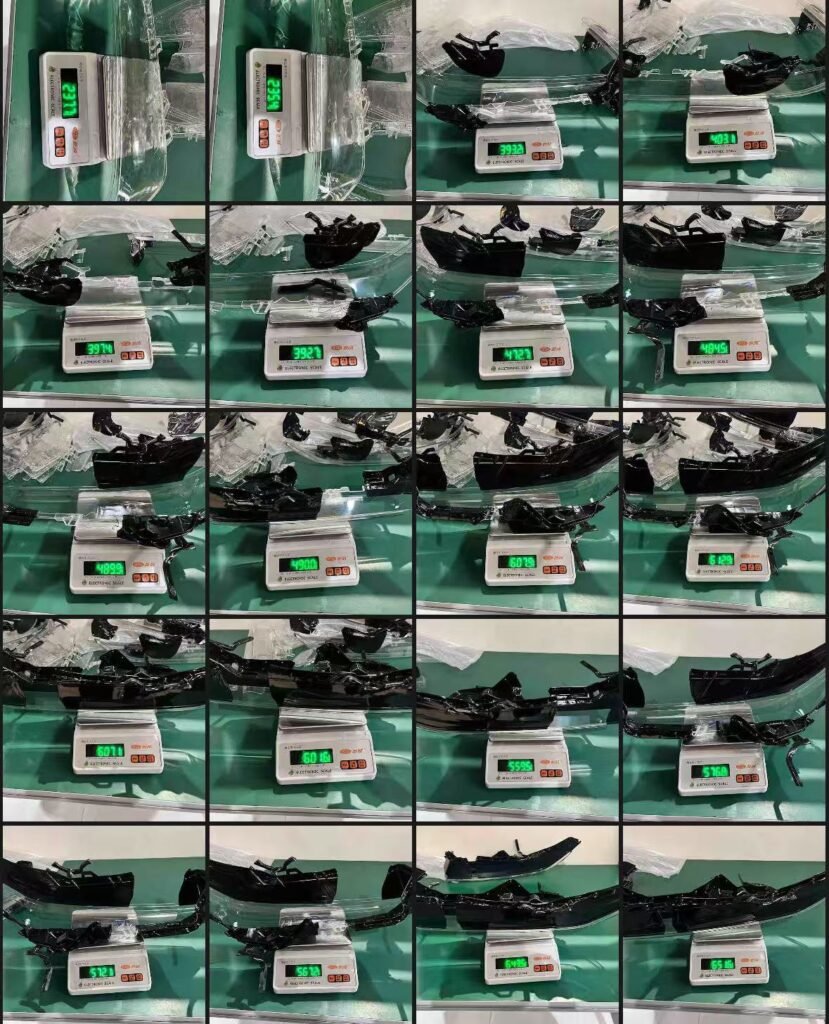
Melt Balance Control (Product Gram Weight Measurement)
Weight‑Data Driven Quantification of Filling Balance During injection, independently weigh each cavity’s product and record the data. By comparing single‑cavity weight vs. total weight variation, precisely diagnose imbalance issues (e.g., flow deflection, hesitation). The system automatically generates CpK reports to help optimize gate sizes or process parameters, ensuring weight deviation between multi‑cavity parts ≤0.5%.
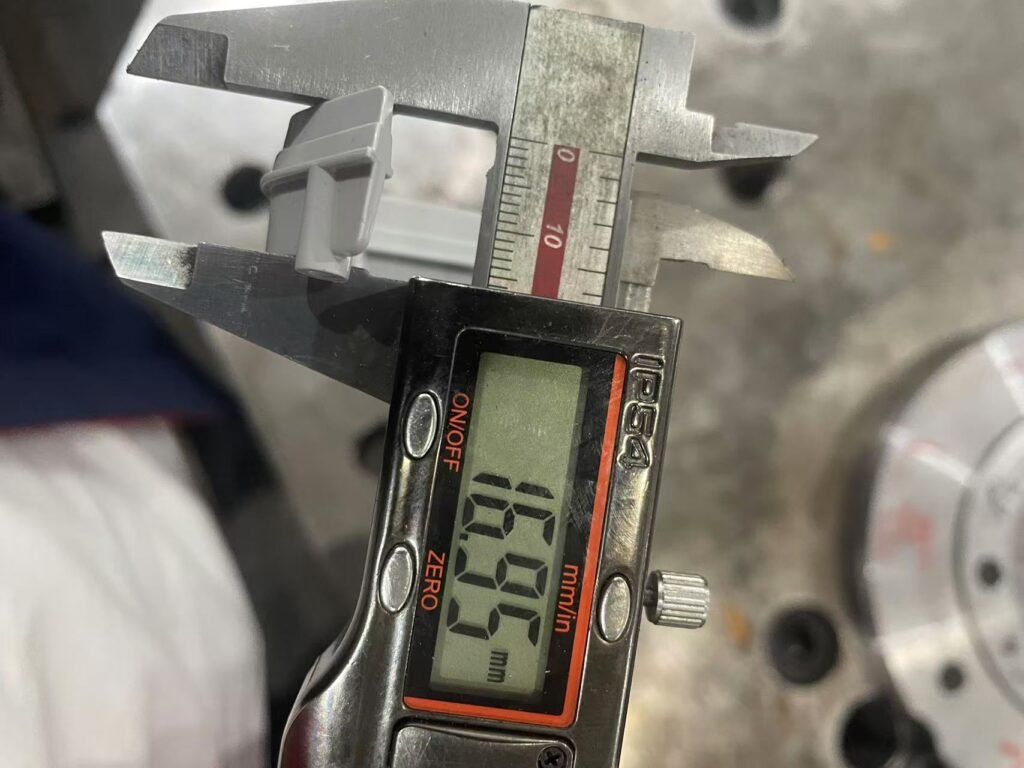
Product Precision Control
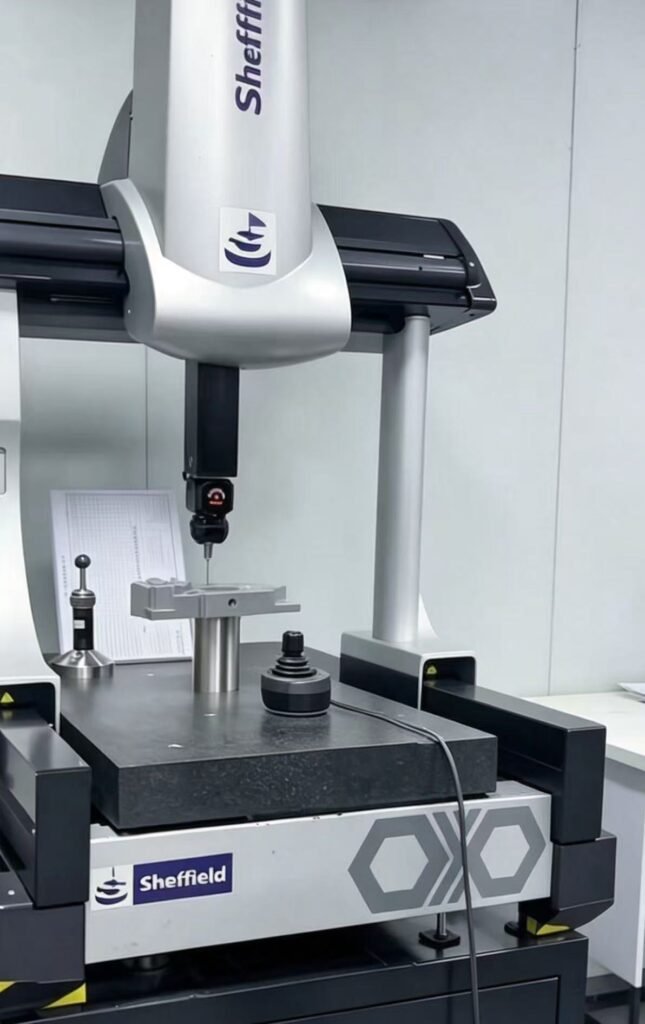
Micron‑Level Dimension Monitoring – Stay Within Tolerance Define inspection plans for critical dimensions (hole diameters, pillars, parting line fit, etc.). Import CMM / blue‑light scanning data and automatically compare with nominal 3D tolerances (e.g., ±0.01mm). Out‑of‑tolerance items automatically trigger mold correction work orders and trace back to the responsible machining process (EDM/CNC), ensuring each batch meets drawing requirements.
Product Defect Control
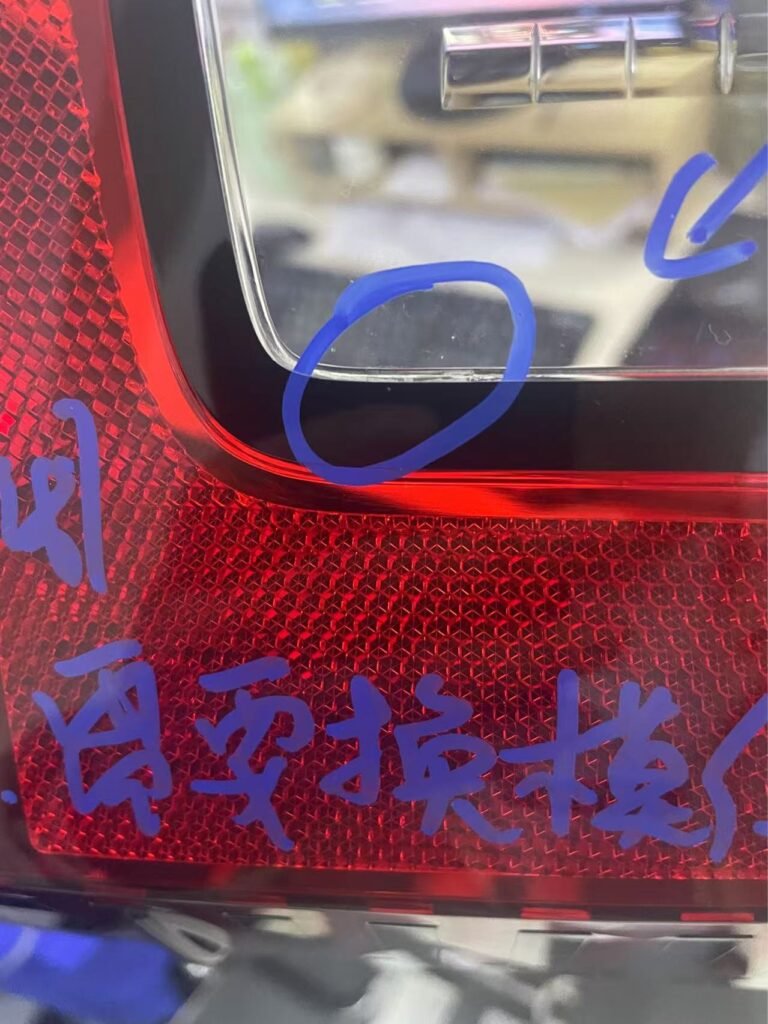
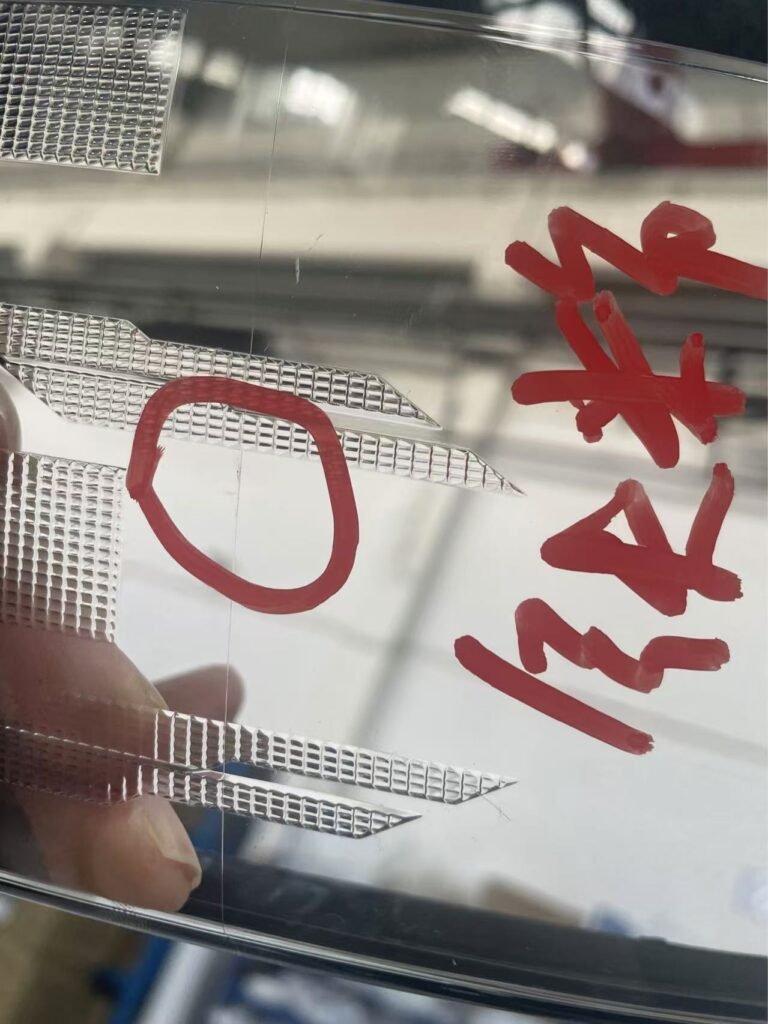
Defect Atlas + Closed‑Loop Traceability Establish a common defect library (sink marks, flash, gas burns, splay marks, etc.). On the shop floor, use a tablet to record defect location, type, and suspected root cause with images. Correlate with process parameters and mold actions to generate a “defect → countermeasure” closed‑loop report. Support yield statistics and Pareto analysis to focus on the top three major defects.